Christmas Time is the Worst
A few years ago, when I was still a novice in my understanding of luxury menswear markets, I made what I now recognize as a fairly questionable buying decision: baby blue Ralph Lauren Purple Label dress pants.
Around mid-November that year, I had an interesting interaction with one of my regular clients. We had been discussing his next pair of shoes, and he was deciding between a pair of sneakers or a Chelsea boot.
Just as I thought I was about to close another sale, he paused and said something that caught me off guard:
“Actually, this is a lot more than I want to spend since I have too many Christmas gifts to buy for my kids.”
At the time, I quickly understood that the sale wasn’t going to happen. We wrapped up the conversation and I moved on. I didn’t think much about the interaction afterward. But for some reason, it stayed in the back of my mind.
Last year, around the time when I (and most people) considered my brain to have finally finished developing, I decided to revisit that interaction and try to understand why it stuck with me.
I started digging through my historical sales data. What I found was something that seemed obvious in hindsight, but initially felt slightly counterintuitive.
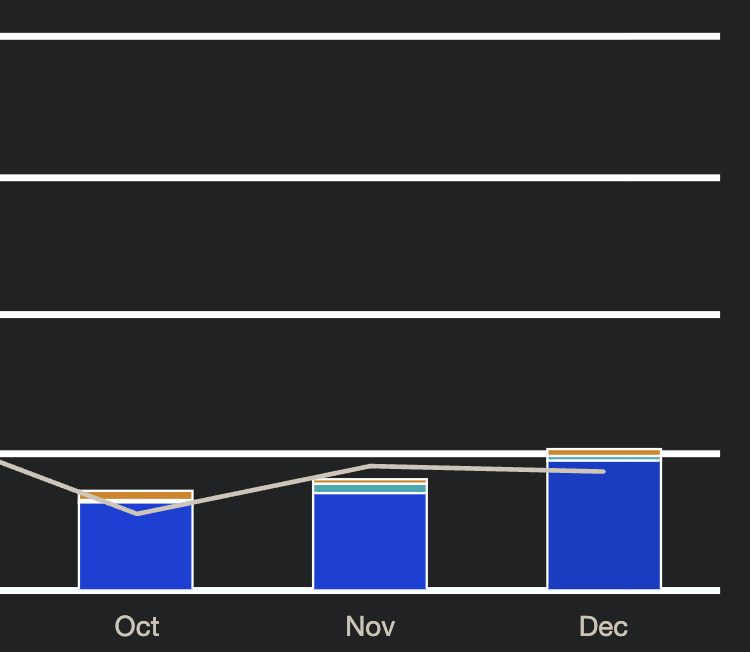
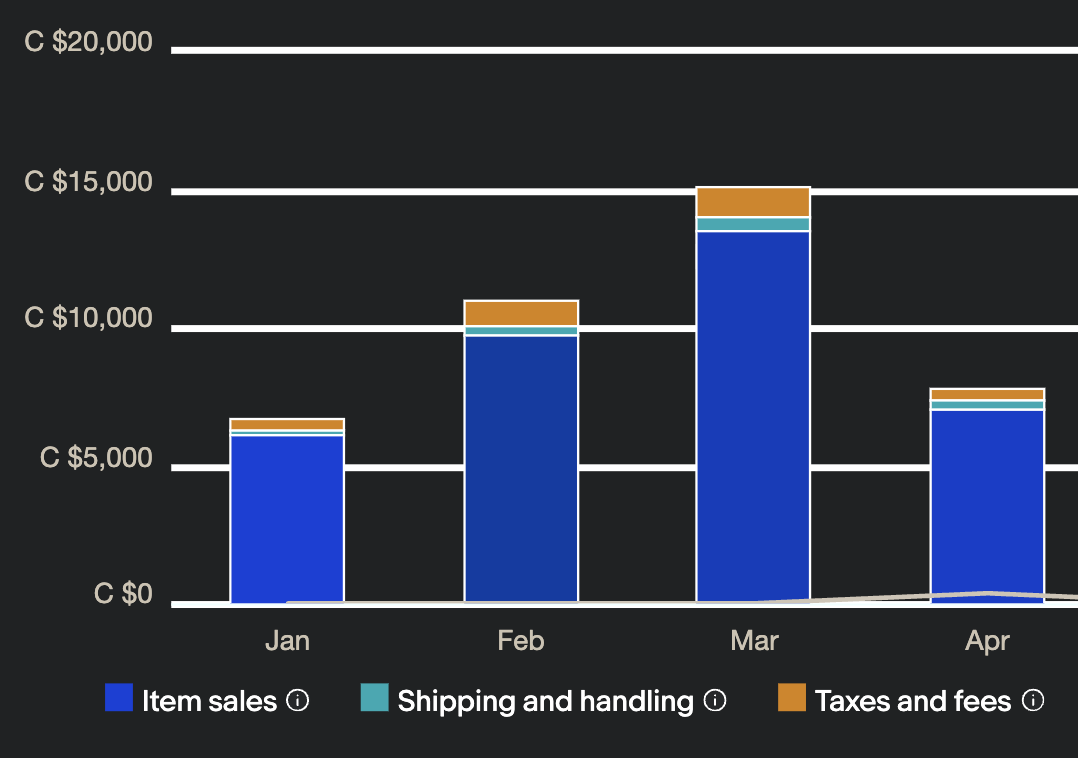
As most retail stores prepare for their strongest sales months leading into the holidays, my sales actually dropped significantly during that same period.
Then something even more interesting happened. January and February saw a massive rebound. Last year alone, February to March reached nearly $30,000 in sales, making it one of my strongest months to date, a high I long to revisit.
After several years of experimenting, buying mistakes, and hundreds of conversations with clients, I now evaluate inventory through three simple filters.
Timing
Is this the right moment in the buying cycle?
Liquidity
How many people could realistically want this item?
Versatility
Can this piece be worn in multiple contexts?
You can have the most perfect linen shirt from the best brands in the world, but no one is buying it in the middle of January. Timing matters more than the product itself in many cases.
One of the biggest mindset shifts I’ve had as a buyer is learning to ignore the fear of missing out on great deals when the timing isn’t right. Even a fantastic piece at an excellent price can become dead inventory if it arrives at the wrong point in the buying cycle.
And over time, I’ve learned that patience often outperforms opportunism in this very unconventional market.